Application of thermal insulation aerogel felt in cold chain
In cold chain logistics, it is important to maintain the stability of the temperature of goods. Traditional thermal insulation materials used in the cold chain field have gradually failed to keep up with market demand due to problems such as thick thickness, poor fire resistance, reduced thermal insulation performance due to water intrusion due to long-term use, and short service life. As a new type of thermal insulation material, airgel felt has been gradually used in cold chain logistics due to its advantages such as low thermal conductivity, light weight, and good fire resistance.
1. Performance characteristics of aerogel felt
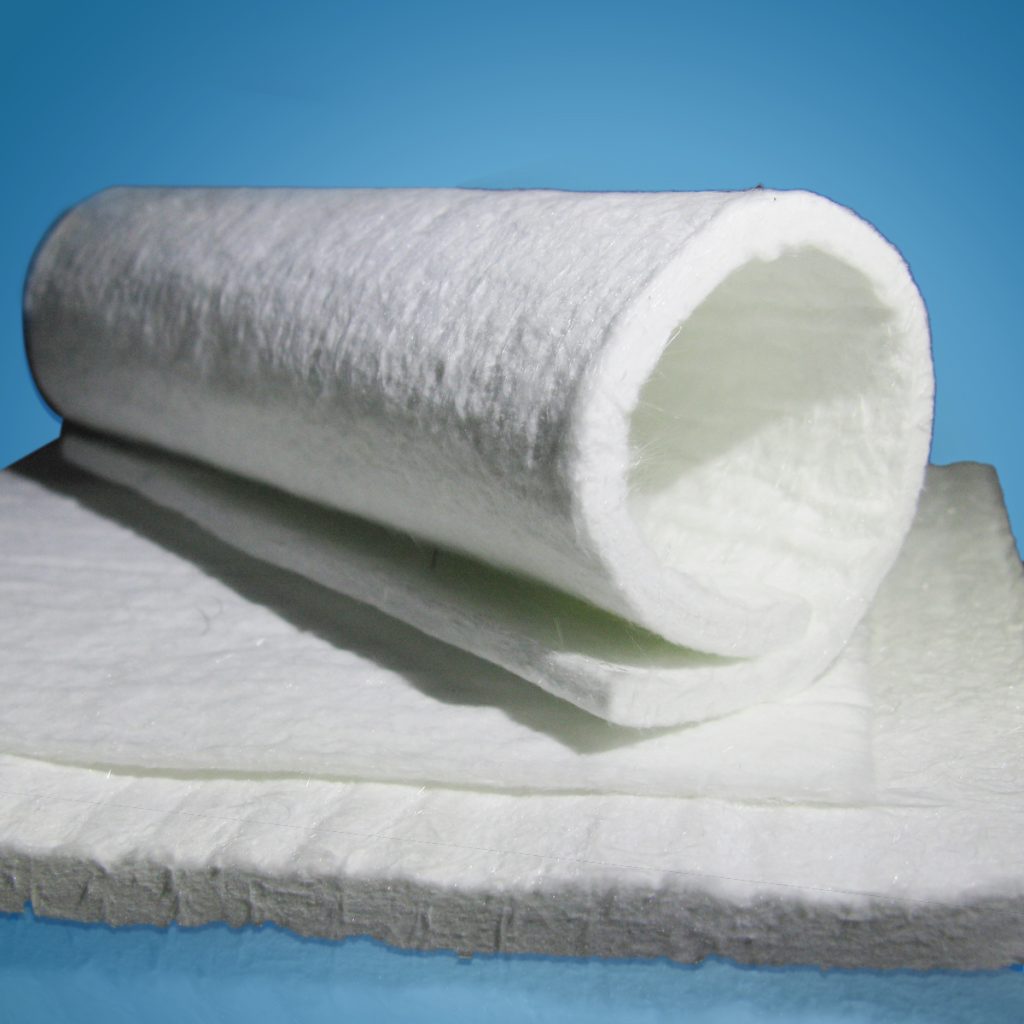
Aerogel felt is a new type of thermal insulation material made of fiber (glass fiber, ceramic fiber, pre-oxidized fiber, etc.) and aerogel. It has the following characteristics:
High thermal insulation performance: The thermal conductivity of aerogel felt is extremely low, much lower than traditional insulation materials. It can effectively maintain temperature and reduce temperature fluctuations during cold chain transportation.
Thin quality: Aerogel felt is lightweight and thin, and can be easily attached to the surface of goods without increasing transportation costs and difficulties.
High strength: Aerogel felt has high strength and toughness and can withstand extrusion and vibration during transportation to ensure the safety of goods.
Environmental protection: The use of aerogel felt will not cause pollution to the environment and is in line with the environmental protection concept of modern logistics.
2. Application of glass fiber aerogel felt in cold chain
â‘ Used for thermal insulation layer
Aerogel felt can be used as a thermal insulation layer. Because the material has an extremely low thermal conductivity (when the test temperature is -25°C, its thermal conductivity is only 0.015 w/m·k), it can effectively reduce heat conduction and loss in the cold chain system and ensure refrigeration or freezing. The temperature of the cargo is stable. At the same time, fiberglass aerogel mat also has excellent flexibility and can be cut and installed according to different shapes to adapt to different cold chain system needs.
â‘¡ Protective layer for cooling medium
Aerogel felt also serves as a protective layer for the cooling medium. In cold chain transportation or storage, protecting the cooling medium from external heat interference can improve the cooling effect and maintain the low temperature of the cooling medium.
â‘¢ Solve the condensation problem
In the cold chain system, dew point problems are prone to occur, that is, water vapor in the air condenses into water during the supercooling process, causing condensation on the cold chain equipment. The aerogel felt serves as a protective layer, which can reduce the formation of condensation water and avoid condensation problems.
â‘£ Renovation of refrigerated trucks
Refrigerated trucks are one of the important transportation tools in cold chain logistics. However, traditional refrigerated trucks often have problems such as poor insulation and high energy consumption. By using aerogel felt to transform refrigerated trucks, the thermal insulation performance and energy efficiency of the refrigerated trucks can be effectively improved, and operating costs can be reduced.
As a new type of thermal insulation material, aerogel felt can be used in the cold chain field to perform thermal insulation, solve condensation problems, save energy and reduce emissions, etc. If you want to know more about aerogels in the future, please pay attention to Anchor Technology aerogel manufacturer. We not only provide high-quality aerogel products, but also provide a professional insulation construction team to provide customers with various corresponding insulation solutions.
Sample Request FAQs
Quick answers about requesting and receiving free samples from Anchor-tech.
Can you provide samples?
Yes. Please share some basic information about your project with us — for example, where the material will be used and at what operating temperature. Rest assured this is only so we can help you choose the most suitable material, model, and specification. We will never disclose your project details to any third party.
Can we still request samples if we cannot disclose any project information?
No. If you are unwilling to share any information about your project, we are not obligated to support your R&D effort. Please respect the labor involved: preparing each sample requires a dedicated colleague and is quite time-consuming. Moreover, without knowing where and how you intend to use our product, we cannot even determine whether it is suitable for your application.
Are samples free, and how much can I request?
We provide 2 free samples of aerogel felt, each sized 150 mm × 200 mm × T (or A4 size). If you need a larger quantity or many pieces, please let us know the reason — we are glad to support you. However, if you have never seen our sample before and only want to take a look, please do not casually request large amounts. A dedicated colleague must prepare every sample, which takes considerable effort. You may first take a look; once you confirm it is likely suitable for your project, you can request more from us.
Who pays for shipping?
Shipping costs must be borne by the customer. Please provide us with your FedEx account number and the recipient information (including name, address, phone number, postal code, etc.), and we will arrange the shipment for you.
How long does it take to prepare samples?
If the item is in stock, preparation generally takes 3–7 days. If it is out of stock and requires custom manufacturing, it takes 1–2 weeks. We will prepare your samples as quickly as possible.
Related Articles & Applications

Aerogel for Electronics Thermal Management: Thin Films That Protect Components
Aerogel provides a unique thermal management solution for electronic products. Ultra-thin insulat...
Read more →
LNG Trailer Insulation: Payload Over Thickness with Aerogel
Aerogel blankets and boards for cryogenic and LNG trailer insulation: thin-profile solutions for ...
Read more →
Aerogel Blanket for Cryogenic Pipelines: End Condensation and CUI
Aerogel insulation blanket for low-temperature pipelines. Compare aerogel vs traditional cold ins...
Read more →
Aerogel for Modular & Prefab Buildings: More Usable Space in the Same Transport Footprint
Thin-profile aerogel insulation for modular buildings and prefabricated facilities: wall, roof an...
Read more →