
Aerogel Insulation Sheet (AG50)

Product Description
The AG50 Ultra-Thin Aerogel Sheet is a high-performance ultra-thin aerogel insulation pad specifically developed for fire protection and thermal insulation between battery cells. It is made using fiberglass wet-laid surface felt or ceramic fiber paper as the base material, processed through sol-gel methods, dip-coating, or impregnation, followed by supercritical extraction for solvent removal.
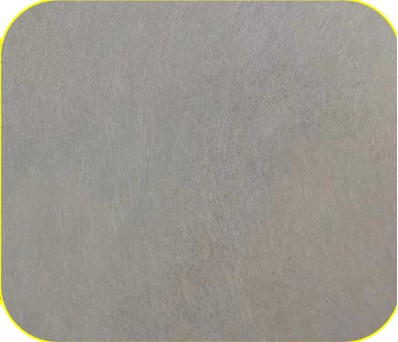
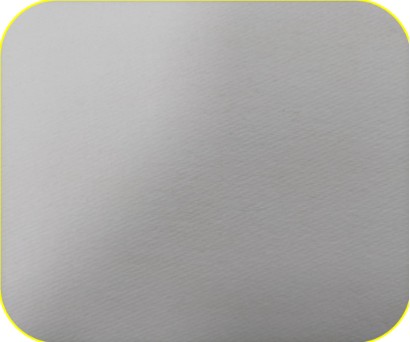
- The AG50-G model uses fiberglass wet-laid surface felt as its base material.
- The AG50-C model is based on ceramic fiber paper.
The biggest advantage of AG50 is its ultra-thin design, with a minimum thickness of just 1mm, while offering precise thickness control with a tolerance of ±0.2mm. This makes it ideal for thermal and fire protection in confined spaces, such as between battery cells. The AG50 can be supplied in roll or sheet form to meet different application needs.
Typical Applications
- Fire insulation and insulation for power batteries.
- Thermal insulation for vehicle bodies, such as automobiles and subway trains.
- Insulation for special electrical equipment.
- Insulation or refrigeration for small-sized pipelines.
Product Advantages
- Outstanding Insulation Performance: With an ultra-low thermal conductivity of0.019-0.023 W/(m·K), the AG50 Aerogel Insulation Sheet achieves the same insulation effect at only one-fourth the thickness of traditional insulation materials, significantly saving space.
- Excellent Fire Resistance: Thanks to its unique raw materials and manufacturing process, AG50 offers superior flame resistance, withstandinginstantaneous temperatures up to 1100°C and continuous operating temperatures of 900°C, enhancing battery safety.
- Exceptional Physical Strength: The AG50 Aerogel Insulation Sheet features strong structural integrity, with a tensile strength of up to 100 kPa and a compressive strength of up to 500 kPa. It remains intact even in high-frequency vibration environments, preventing damage.
- Ultra-Thin Thickness Options: Various ultra-thin thicknesses are available, with a minimum thickness of0.8mm and precise thickness control with a ±0.2mm tolerance, making it ideal for thermal protection in tight spaces.
Product Specifications
Model | AG50-G | AG50-C |
Appearance Color | Translucent | White |
Product Form | Roll or Sheet | Roll or Sheet |
Minimum Thickness | 0.8mm, or customized | 1mm, or customized |
Maximum Width | 1500mm, or customized | 1200mm, or customized |
Water Repellency | 99% | 99% |
Maximum Continuous Operating Temperature | 500℃ | 900℃ |
Maximum Instantaneous Fire Resistance Temperature | 900℃ | 1100℃ |
Density | 180kg/m³ | 230kg/m³ |
Thermal Conductivity at Room Temperature | 0.019-0.023 W/(m·K) | 0.019-0.023 W/(m·K) |
Chloride Ion Content | 0.00% | 0.00% |
Suitable Battery Type | Lithium Iron Phosphate Battery | Ternary Lithium Battery |
Aerogel Sheet or Microporous Insulation Board: Which is Better for Battery Cell Fire Protection and Thermal Insulation?
Due to the extremely limited space between battery cells, fire-resistant and thermal insulation materials should be selected based on their ultra-low thermal conductivity. Aerogel and microporous insulation boards are among the best choices, as their insulation performance is significantly superior to materials like ceramic fiber or fiberglass. In fact, aerogel or microporous insulation requires only one-third to one-fourth of the thickness needed to achieve the same level of thermal insulation as ceramic or fiberglass materials.
Aerogel Sheets use fiberglass surface felt or ceramic fiber paper as the base material, providing better structural strength compared to microporous boards. While microporous insulation boards can also be made very thin, they lack inherent structural support. In high-frequency vibration environments, such as power batteries or energy storage systems, if the microporous insulation layer’s packaging is damaged, the board will lose its structural integrity, compromising its thermal and fire protection performance.
Therefore, in most cases, ultra-thin aerogel Sheet are the superior choice for battery cell fire protection and thermal insulation.
Manufacturer & Engineering Notes
Manufacturing & Project Experience
Anchor Aerogel manufactures AG50 by impregnating fiberglass wet-laid felt or ceramic fiber paper with aerogel via sol-gel processing and supercritical extraction, producing ultra-thin sheets with ±0.2 mm thickness control. We support battery and energy-storage customers from cell-format review through sampling and series supply, offering roll or sheet form, customized thickness and width, and grade selection guidance between AG50-G and AG50-C based on battery chemistry and temperature requirements. Samples are available for pack-level fire propagation, compression, and vibration testing. Current technical documentation, including the TDS, is available on request to support your material approval and PPAP-style qualification processes.
Engineering Boundaries & Custom Options
AG50 is a safety-component insulation sheet: grade choice should follow the published mapping - AG50-G for LFP duty (500°C continuous, 900°C instantaneous) and AG50-C for ternary duty (900°C continuous, 1100°C instantaneous) - while thickness (from 0.8 or 1 mm, ±0.2 mm) is set by your cell gap and compression plan. Strength figures (100 kPa tensile, 500 kPa compressive) and 0.019-0.023 W/(m·K) conductivity are typical published values; confirm lot data in the current TDS. Thermal runaway protection is system-level performance: validate the sheet within your actual pack design rather than relying on material data alone.
Sample Request FAQs
Quick answers about requesting and receiving free samples from Anchor-tech.
Can you provide samples?
Yes. Please share some basic information about your project with us — for example, where the material will be used and at what operating temperature. Rest assured this is only so we can help you choose the most suitable material, model, and specification. We will never disclose your project details to any third party.
Can we still request samples if we cannot disclose any project information?
No. If you are unwilling to share any information about your project, we are not obligated to support your R&D effort. Please respect the labor involved: preparing each sample requires a dedicated colleague and is quite time-consuming. Moreover, without knowing where and how you intend to use our product, we cannot even determine whether it is suitable for your application.
Are samples free, and how much can I request?
We provide 2 free samples of aerogel sheet, each sized 150 mm × 200 mm × T (or A4 size). If you need a larger quantity or many pieces, please let us know the reason — we are glad to support you. However, if you have never seen our sample before and only want to take a look, please do not casually request large amounts. A dedicated colleague must prepare every sample, which takes considerable effort. You may first take a look; once you confirm it is likely suitable for your project, you can request more from us.
Who pays for shipping?
Shipping costs must be borne by the customer. Please provide us with your FedEx account number and the recipient information (including name, address, phone number, postal code, etc.), and we will arrange the shipment for you.
How long does it take to prepare samples?
If the item is in stock, preparation generally takes 3–7 days. If it is out of stock and requires custom manufacturing, it takes 1–2 weeks. We will prepare your samples as quickly as possible.
Frequently Asked Questions about Aerogel Insulation Sheet (AG50)
Technical answers for overseas buyers, engineers, and project specifiers. For project-critical values, request the current TDS before final design.
AG50 is an ultra-thin aerogel insulation pad developed for fire protection and thermal insulation between battery cells. It uses fiberglass wet-laid surface felt (model AG50-G) or ceramic fiber paper (model AG50-C) as the base, processed via sol-gel, dip-coating, or impregnation, followed by supercritical extraction. Minimum thickness is 0.8 mm (AG50-G) or 1 mm (AG50-C), with precise thickness control at ±0.2 mm tolerance, and the sheet can be supplied in roll or sheet form. Thermal conductivity at room temperature is 0.019-0.023 W/(m·K), achieving equivalent insulation at about one-fourth the thickness of traditional materials.
AG50-G uses fiberglass wet-laid surface felt: translucent appearance, 0.8 mm minimum thickness, 1500 mm maximum width, density 180 kg/m³, maximum continuous operating temperature 500°C, and instantaneous fire resistance to 900°C; it is listed as suitable for lithium iron phosphate (LFP) batteries. AG50-C uses ceramic fiber paper: white appearance, 1 mm minimum thickness, 1200 mm maximum width, density 230 kg/m³, continuous operation to 900°C, and instantaneous fire resistance to 1100°C; it is listed for ternary lithium batteries. Both share 99% water repellency, 0.00% chloride ion content, and 0.019-0.023 W/(m·K) conductivity.
The manufacturer’s comparison explains that between-cell space is extremely limited, so materials must combine ultra-low conductivity with structural integrity. Aerogel or microporous insulation needs only one-third to one-fourth the thickness of ceramic or fiberglass materials for the same insulation. But aerogel sheet uses fiberglass felt or ceramic fiber paper as a base, giving better structural strength than microporous boards, which lack inherent support: in high-frequency vibration environments like power batteries and energy storage systems, a damaged package lets a microporous board lose integrity and compromise fire protection. In most cases, ultra-thin aerogel sheet is the superior choice.
AG50 features tensile strength up to 100 kPa and compressive strength up to 500 kPa, remaining intact even in high-frequency vibration environments – a key requirement for battery packs in vehicles and energy storage systems. The fiber-based substrate gives the sheet structural integrity that unreinforced insulation materials lack, helping it survive cell swelling pressure, pack assembly forces, and long-term vibration without crumbling. Water repellency is 99% and chloride ion content is 0.00%, supporting long service in pack environments. These are published typical values; confirm lot-specific figures in the current TDS for use in structural or safety calculations.
AG50 is supplied in roll or sheet form, with thickness from 0.8 mm (AG50-G) or 1 mm (AG50-C) upward and customization available; maximum width is 1500 mm (G) or 1200 mm (C), also customizable. Thickness tolerance of ±0.2 mm supports consistent pack assembly. Buyers can provide cell dimensions and pack layout so the factory can propose sheet sizes or die-cut formats matched to prismatic, pouch, or cylindrical designs, and can select AG50-G or AG50-C based on battery chemistry – LFP versus ternary per the published table. Samples for pack-level fire and compression testing can be arranged during development.
Application Examples (应用举例)
Aerogel Insulation Sheet (AG50) delivers ultra-thin, formable thermal barriers for electronics, battery and functional-filler uses:
- Electronics thermal management — Thin films protect heat-sensitive components in compact devices Aerogel for Electronics Thermal Management.
- Powder & slurry functional fillers — Nano-porous particles upgrade coatings, plasters and composites Aerogel Powder & Slurry Applications.
- Why AG50 performs — The tested thermal and mechanical basis behind the sheet Aerogel Properties Explained.
Battery applications: battery thermal protection aerogel sheets · EV battery fireproof aerogel insulation
 English
  Chinese (China)
  Portuguese
  Spanish
  French
  Italian
  Turkish
  Vietnamese
  German
  Japanese
  Korean
  Hindi
Hindi  Arabic
  Polish
  Chinese (Taiwan)
  Malay
Malay  Thai
Thai  Finnish
  Dutch
Dutch  Swedish
  Slovenian