
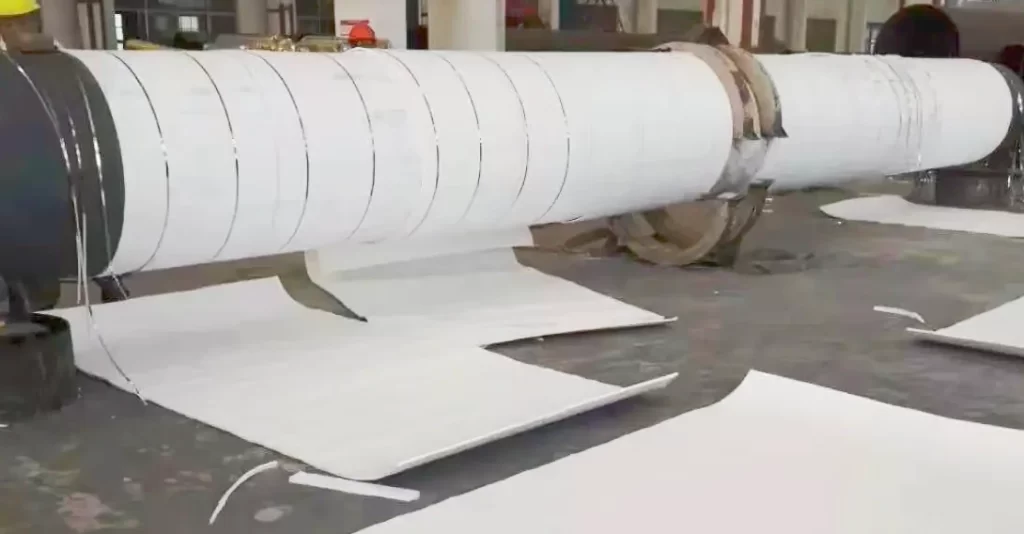
What is Aerogel
Aerogel description
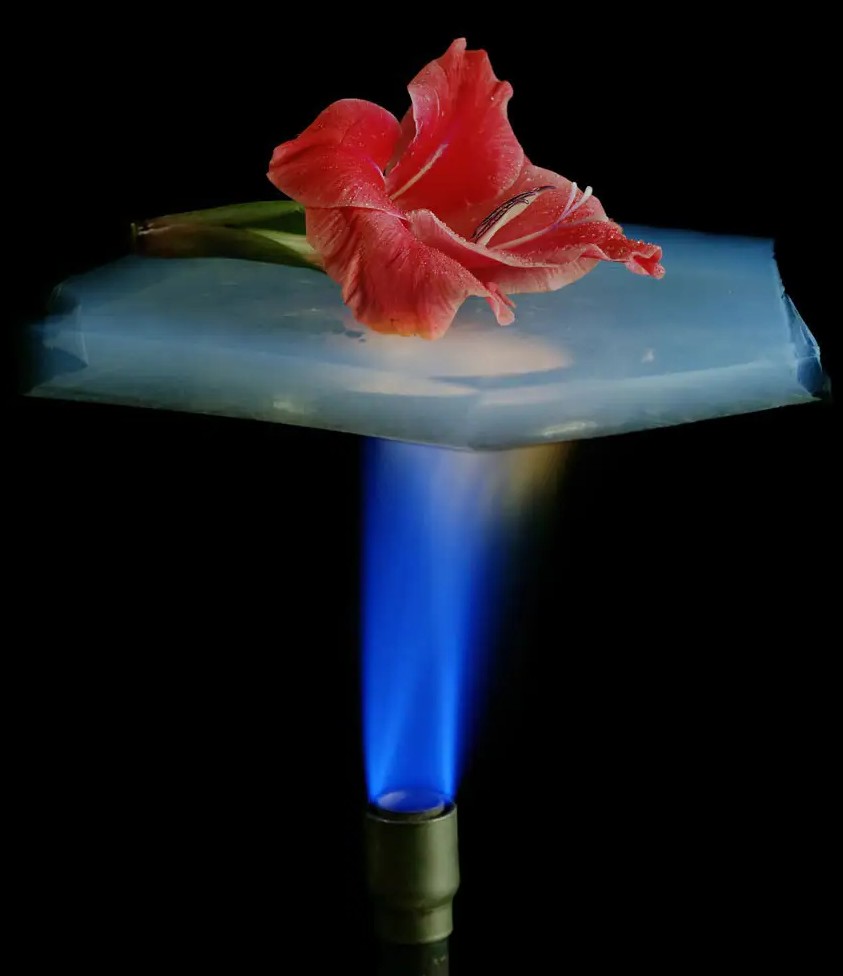
Aerogel is fundamentally different from the traditional concept of “gel.” It is a solid material with a density of 3 kg/m³. Due to its extremely low density, it is also known as the “frozen smoke” or “blue smoke,” earning it the Guinness World Record for the “lightest solid” in 1931 when S. Kistler successfully prepared SiO2 aerogel using supercritical drying methods. With over 80% of its composition being air, aerogel exhibits excellent thermal insulation properties. A one-inch thick aerogel is equivalent to the thermal insulation of 20 to 30 pieces of ordinary glass. Even when placed between a rose and a flame, the rose remains unharmed.
Aerogel Applications in Space Exploration
Aerogel finds diverse applications in space exploration. It has been used in the Russian “Mir” space station and the American “Mars Pathfinder” probe. In particle physics experiments, aerogel serves as a detector for the Cherenkov effect. An example is the Aerogel Cherenkov Counter (ACC) in the Belle experiment detector at the B meson factory, which leverages aerogel’s low refractive index between liquid and gas, along with its high transparency and solid properties, surpassing traditional methods involving low-temperature liquids or high-pressure air. Its lightweight nature is also a significant advantage.
Unique Properties of Aerogel
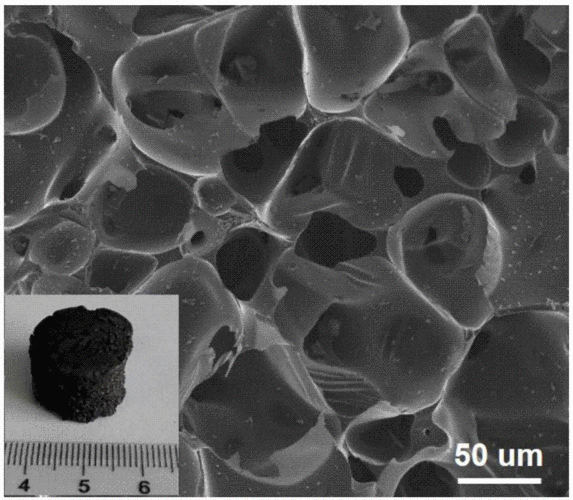
Aerogel stands out as a porous material with nanoscale structures, distinct from the pore structures in traditional materials at the micro and millimeter levels. Its finely woven nanostructure results in extremely low thermal conductivity and a remarkably large surface area. Its scattering of light and sound is significantly less than that of traditional porous materials. These unique properties not only spark interest in fundamental research but also hold extensive potential applications across various fields.
Aerogel Product Applications
Current Products:
- Aerogel Materials: The inherent characteristics of aerogel make it excel in thermal and acoustic insulation, water purification, and gas adsorption.
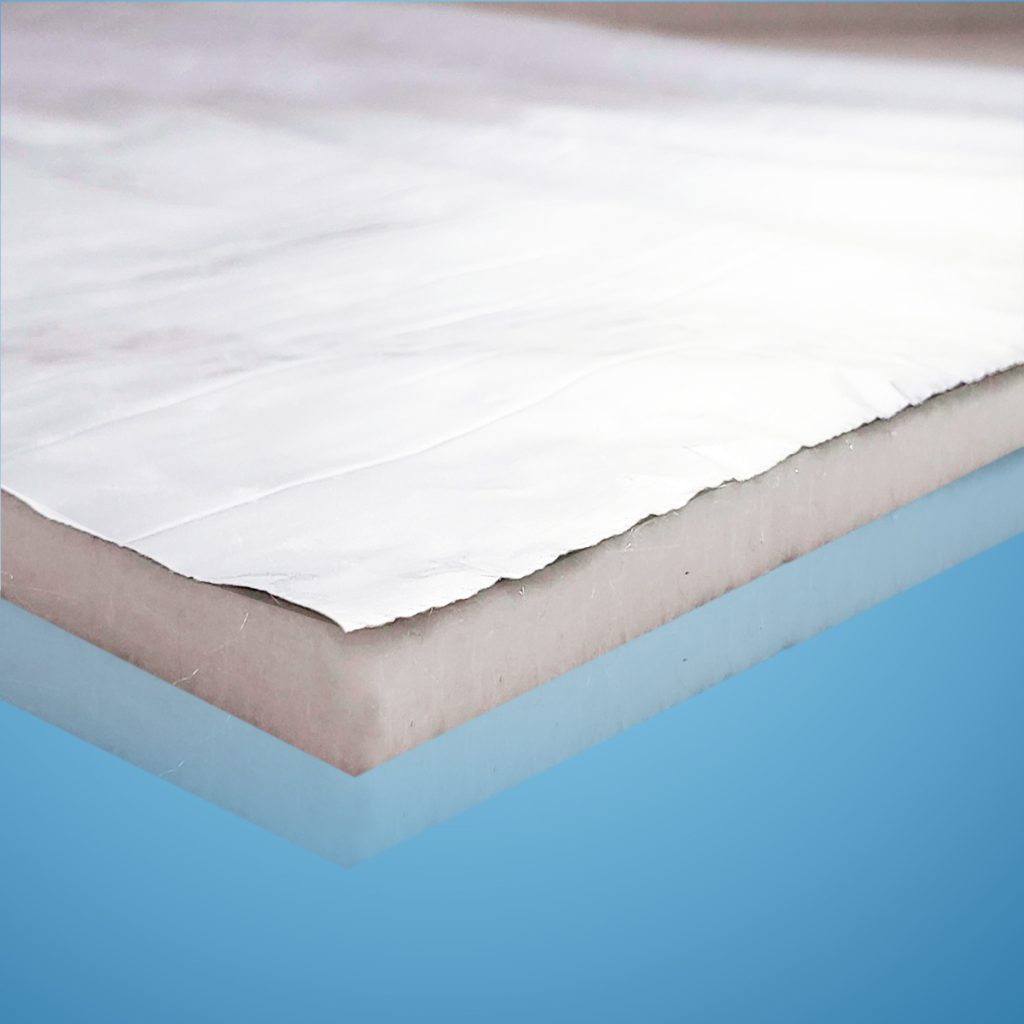
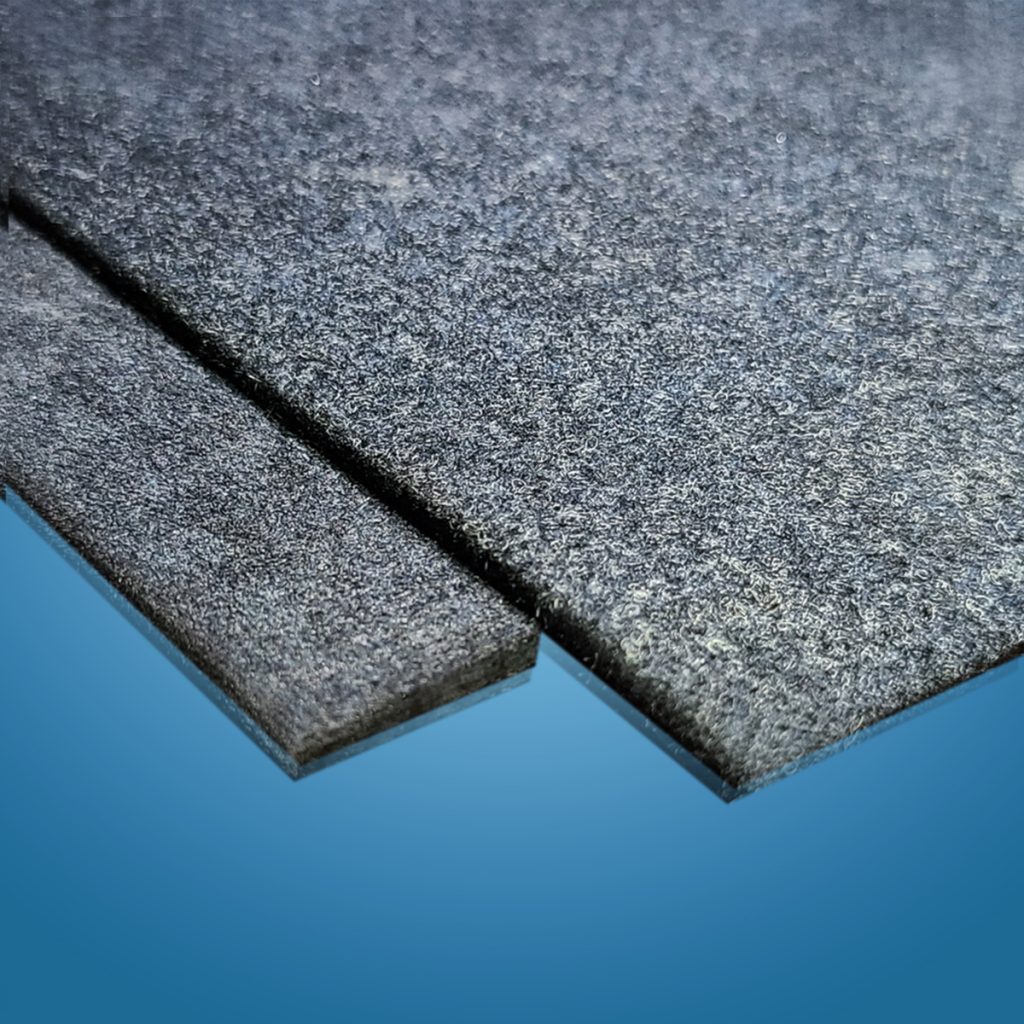
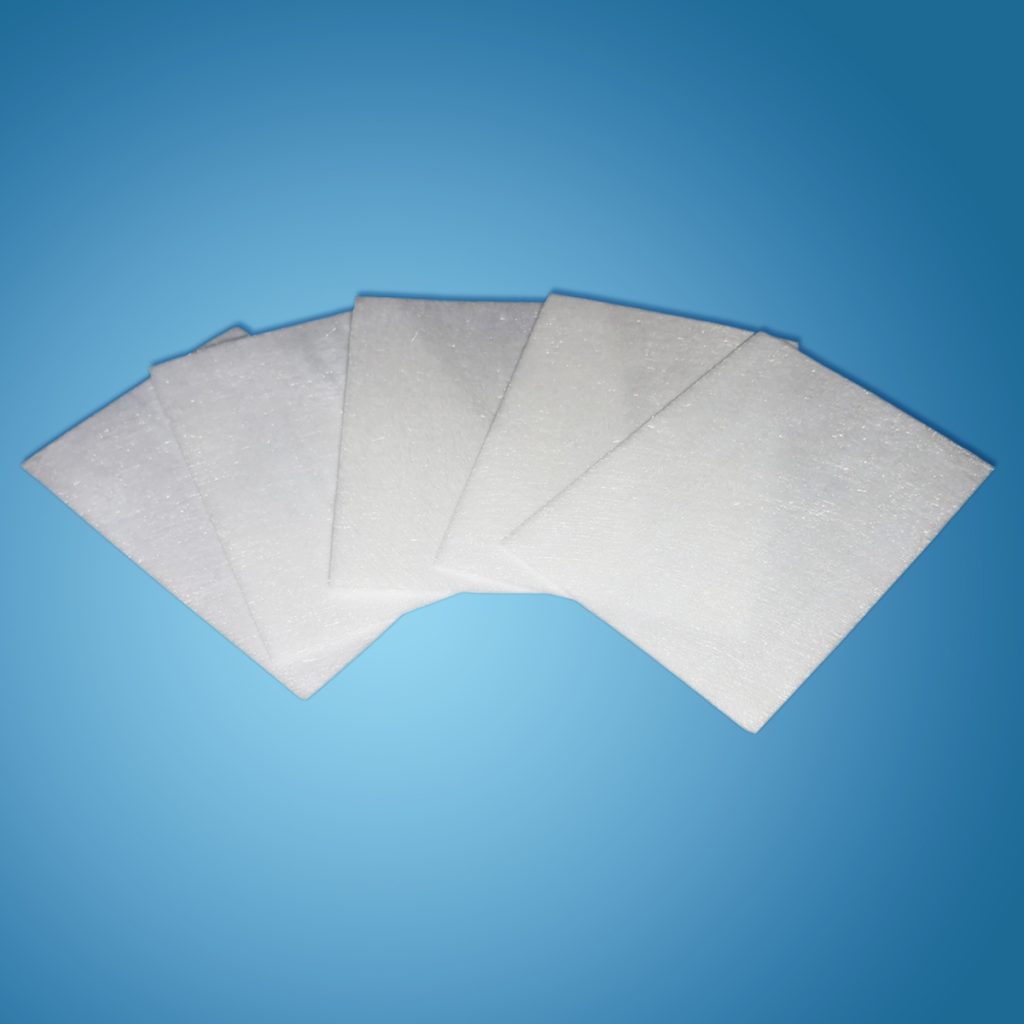
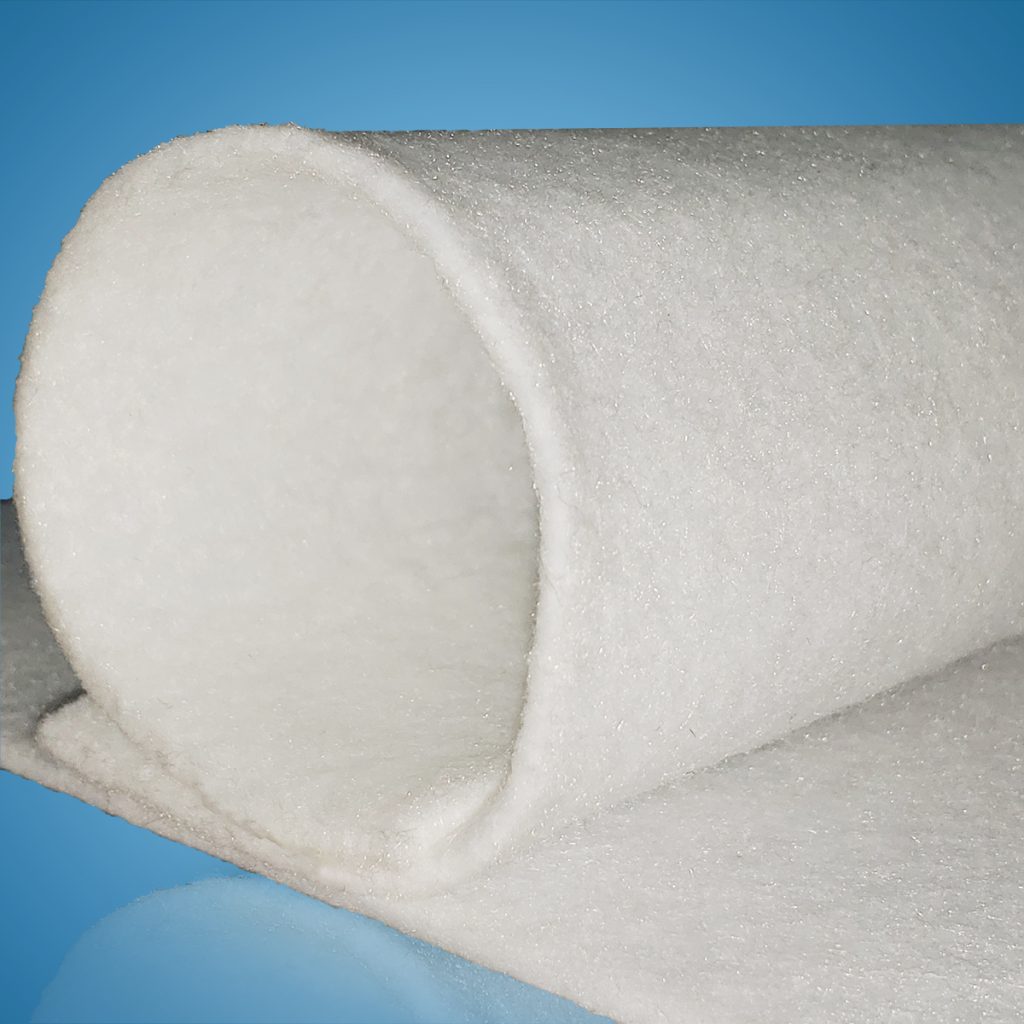
- Nano Aerogel Composite Insulation Materials: This is a collective term encompassing materials suitable for efficient and constant temperature applications. These materials can exist in solid or liquid states. In industrial construction, combining aerogel with glass fiber matting, processed into aerogel felt, significantly reduces thermal conductivity. In domestic applications, combining aerogel with textiles enhances thermal insulation, taking it to the next level.
Future Products – In the Near Future:
a. Bulletproof Coating: Laboratory experiments suggest that applying a 6mm thick layer of aerogel to metal plates renders them impervious to direct explosions.
b. Absorptive Coatings: Coatings that absorb radar waves, achieving stealth effects.
c. Energy Storage Devices
d. High-Tech Strong Laser Research
Being an early entrant in the aerospace field, aerogel boasts numerous miraculous properties. Predicting its future applications requires imagination from society and the industry to propel this new material out of the laboratory and realize its practical value.
Introduction to Application Areas: Where are Aerogel Products Used?
Industrial Sector: Aerogel composite insulation materials are essential for areas requiring pipeline insulation or furnace insulation in industries such as power storage and petrochemicals.
Construction Sector: Applications include external and internal thermal insulation of buildings and the use of aerogel glass in glass curtain walls.
Transportation Sector: Nano-porous aerogel composite insulation materials are applied in high-speed trains, domestically produced C919 aircraft, and new energy vehicles, primarily focusing on thermal insulation for transportation and protection for lithium-ion batteries in new energy vehicles.
Household Insulation and Cold Chain Logistics: Replacing traditional materials, nano-porous aerogel composite insulation materials are used as insulation layers to enhance thermal insulation and increase internal volumes.
Functional Equipment: The use of ultra-thin layers of aerogel in manufacturing aerogel jackets and outdoor products results in unparalleled warmth, achieving lighter, thinner, and warmer outcomes.
In comparison to traditional insulation materials, the thermal insulation effectiveness of nano-porous aerogel composite insulation materials is 3-5 times superior. This implies excellent energy-saving insulation performance, reduced material thickness, lowered overall costs, and the material’s inherent characteristics of being a safe, environmentally friendly, and non-toxic inorganic substance ensure a long lifespan.
What Is Silica Aerogel?
Silica aerogel is the most common commercial form, a SiO2 nanoporous network that delivers the 0.019 to 0.021 W per m K conductivity cited above. Most blankets, boards and films here are built on a silica-aerogel base.
Nano Aerogel and the Nanoporous Structure
A nano aerogel is defined by pores smaller than air mean free path, about 70 nm, which suppresses convection. That nanoporous structure, not the bulk material, is why aerogel insulates far above its weight.
Aerogel Thermal Conductivity: The Numbers
Aerogel thermal conductivity is roughly 0.019 to 0.021 W per m K at 25 C, measured by guarded hot plate under GB/T 10294 and GB/T 10295. It is among the lowest of any solid insulator, and the figure buyers should ask a test report for.
Related Articles & Applications
Industrial Equipment Aerogel Insulation: A Real Steam-Line Retrofit Case
Aerogel felt and coating for industrial equipment and pipeline insulation. Reduce energy loss and...
Read more →
Aerogel for Industrial Pipeline Insulation: One-Third the Thickness, Same Performance
How aerogel insulation blankets cut heat loss and condensation on industrial pipelines. Thinner i...
Read more →

Aerogel Blankets for LNG Storage & Transport: Proven Cryogenic Performance
Aerogel felt for LNG tanks and cryogenic pipelines. Stable insulation from -200°C, hydrophobic an...
Read more →
Aerogel Powder & Slurry: Functional Fillers for Coatings and Composites
How aerogel powder and slurry are used in coatings, composites and insulation. Explore key applic...
Read more →