Aerogel Coating for Exterior Wall Insulation
Table of Contents
Current Status of Exterior Wall Insulation
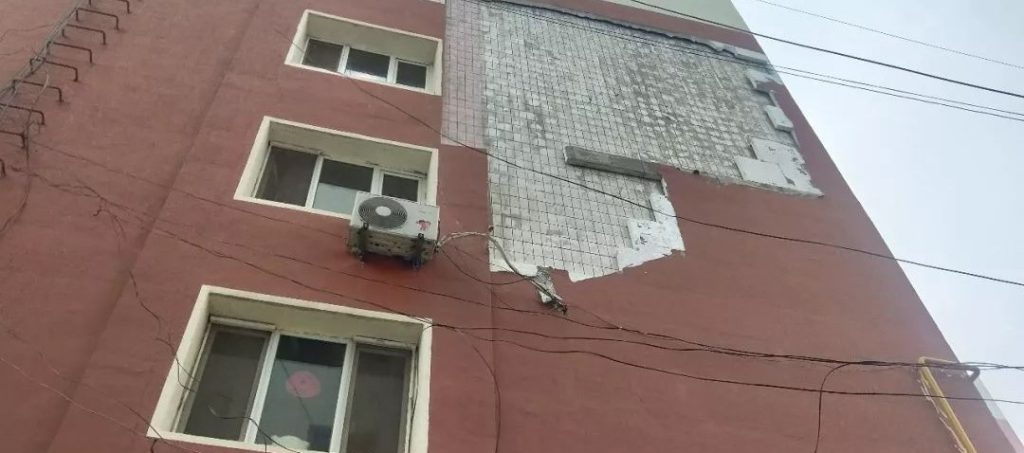
Most buildings constructed between the 1990s and 2008 lack insulation measures, resulting in substandard energy efficiency and higher energy consumption. Commonly used building insulation materials, such as EPS (expanded polystyrene), XPS (extruded polystyrene), and phenolic foam board, follow an exterior insulation structure. This involves attaching insulation boards to the base wall with mortar, reinforced with mesh fabric. However, these materials suffer from drawbacks such as flammability (fire rating below A level, poor fire performance), susceptibility to failure (significant reduction in insulation effectiveness in humid conditions), detachment (thermal expansion and contraction causing exterior surface detachment), and complex construction processes. Therefore, there is an urgent need to explore and promote a superior performance new type of building insulation material.
Advantages of Aerogel Coating for Exterior Wall Insulation
Aerogel is a porous non-crystalline solid material composed of nanoscale colloidal particles or polymer molecules. It is the lightest solid material in the world, possessing characteristics like thermal insulation, fire resistance, corrosion resistance, and adsorption. Widely utilized in aviation, military, industry, and civilian fields, incorporating aerogel into coatings imparts outstanding properties, making it a promising solution for building energy conservation.
Thermal Insulation and Energy Efficiency: According to tests, a 3mm aerogel insulation coating achieves a thermal resistance value of 0.8-0.9m²·K/W. Translated into thermal resistance value definition, using a 3mm aerogel coating is equivalent to a 60mm traditional insulation board.
Safety: Aerogel coatings can achieve A2-level fire resistance for buildings, surpassing the fire resistance level of traditional insulation materials. Additionally, aerogel coatings exhibit strong crack resistance, preventing cracks or detachment of insulation materials and exterior surfaces due to thermal expansion and contraction.
Environmentally Friendly: Aerogel coatings are water-based nanomaterials, free of VOCs (volatile organic compounds), and non-toxic. With its high surface area, aerogel coatings can effectively replace diatomaceous earth, acting as a pollutant absorber in indoor environments.
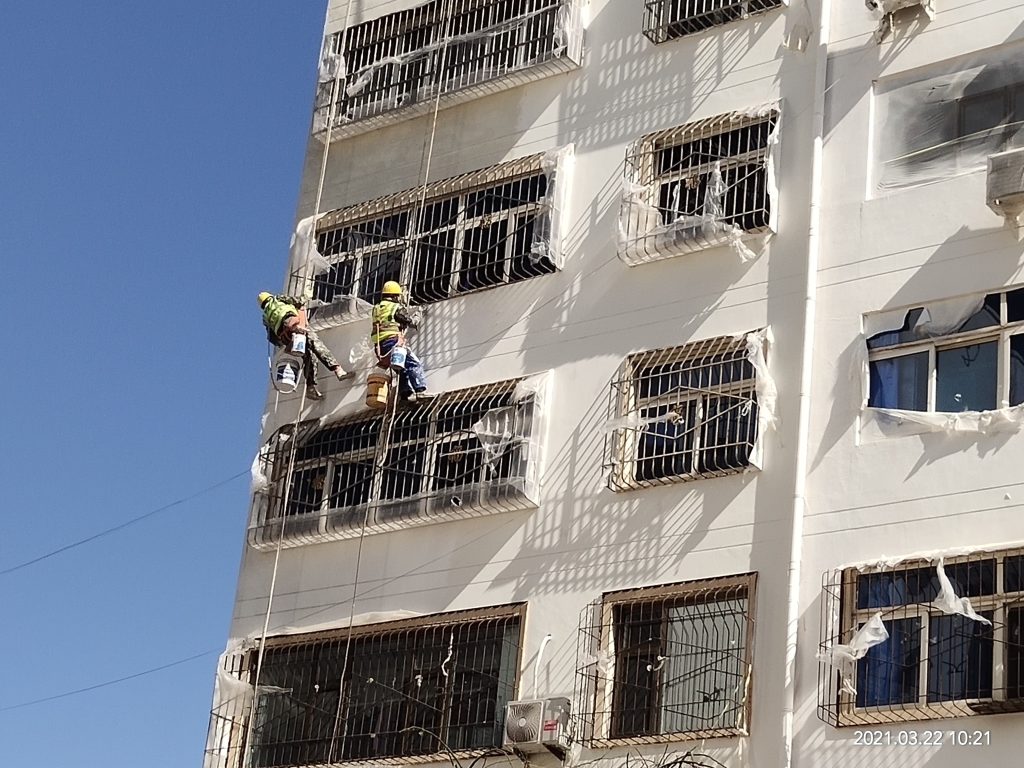
Simple Construction Process: The construction process for aerogel materials involves only 5 steps, significantly reducing complexity compared to the 7-15 steps required for traditional insulation materials. Utilizing spray application further decreases construction difficulty, shortening the construction period and ensuring safety.
Easy to Clean: The smooth surface of aerogel coatings resists stains, making them less prone to adherence, and facilitating easy cleaning through wiping or water washing.
Long Lifespan: Traditional materials have a lifespan of 3-5 years, whereas aerogel materials can last up to 15 years, reducing maintenance costs and time.
Cost-Effectiveness: Aerogel coatings are reasonably priced compared to traditional insulation materials. Their superior thermal insulation performance makes them more cost-effective under equivalent conditions.
Conclusion
The application of aerogel in exterior wall materials effectively reduces heating energy consumption, improves indoor thermal environmental quality and living conditions, enhancing building quality. Compared to traditional coatings, aerogel demonstrates superior performance and higher cost-effectiveness.
Related product: AG65 aerogel blanket for building insulation – thin blanket insulation for walls, roofs and floors.
Sample Request FAQs
Quick answers about requesting and receiving free samples from Anchor-tech.
Can you provide samples?
Yes. Please share some basic information about your project with us — for example, where the material will be used and at what operating temperature. Rest assured this is only so we can help you choose the most suitable material, model, and specification. We will never disclose your project details to any third party.
Can we still request samples if we cannot disclose any project information?
No. If you are unwilling to share any information about your project, we are not obligated to support your R&D effort. Please respect the labor involved: preparing each sample requires a dedicated colleague and is quite time-consuming. Moreover, without knowing where and how you intend to use our product, we cannot even determine whether it is suitable for your application.
Are samples free, and how much can I request?
We provide free samples of aerogel coating up to 100 g. If you need a larger quantity or many pieces, please let us know the reason — we are glad to support you. However, if you have never seen our sample before and only want to take a look, please do not casually request large amounts. A dedicated colleague must prepare every sample, which takes considerable effort. You may first take a look; once you confirm it is likely suitable for your project, you can request more from us.
Who pays for shipping?
Shipping costs must be borne by the customer. Please provide us with your FedEx account number and the recipient information (including name, address, phone number, postal code, etc.), and we will arrange the shipment for you.
How long does it take to prepare samples?
If the item is in stock, preparation generally takes 3–7 days. If it is out of stock and requires custom manufacturing, it takes 1–2 weeks. We will prepare your samples as quickly as possible.
Related Articles & Applications
Industrial Equipment Aerogel Insulation: A Real Steam-Line Retrofit Case
Aerogel felt and coating for industrial equipment and pipeline insulation. Reduce energy loss and...
Read more →
Aerogel for Industrial Pipeline Insulation: One-Third the Thickness, Same Performance
How aerogel insulation blankets cut heat loss and condensation on industrial pipelines. Thinner i...
Read more →
Aerogel Blankets for LNG Storage & Transport: Proven Cryogenic Performance
Aerogel felt for LNG tanks and cryogenic pipelines. Stable insulation from -200°C, hydrophobic an...
Read more →
Aerogel Powder & Slurry: Functional Fillers for Coatings and Composites
How aerogel powder and slurry are used in coatings, composites and insulation. Explore key applic...
Read more →